
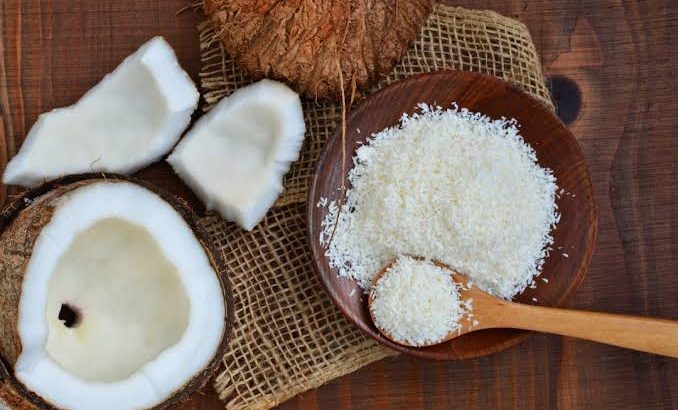
Desiccated coconut is a popular and highly valued ingredient derived from fresh coconut meat that has been shredded or flaked and then thoroughly dried to remove moisture content. This process preserves the coconut’s natural flavor, nutritional value, and texture, making it an essential component in both culinary and industrial applications worldwide.
What is Desiccated Coconut?
Desiccated coconut refers to finely grated coconut meat that is dried to a low moisture level, typically below 3%. The drying process inhibits microbial growth and extends shelf life while maintaining the characteristic aroma and taste of fresh coconut. It comes in various grades, differing mainly in particle size and moisture content, which cater to different industry needs.
Production Process
The production of desiccated coconut starts with harvesting mature coconuts. The outer shell is removed to access the white coconut meat inside. The meat is then washed, peeled, and shredded into fine pieces. These shreds undergo drying, traditionally using hot air or mechanical dryers, which reduces moisture content without compromising quality. Finally, the dried coconut is sieved to separate different grades and packaged under hygienic conditions for distribution.
Culinary Uses
Desiccated coconut is widely embraced in culinary fields, particularly in baking, confectionery, and cooking. It serves as an excellent ingredient for cakes, cookies, and pastries, providing a distinctive flavor and chewy texture. Its versatility allows it to be incorporated into both sweet and savory dishes.
In many tropical and subtropical cuisines, desiccated coconut enriches curries, sauces, and rice dishes, adding a mild sweetness and richness. Its long shelf life and convenience make it an indispensable pantry staple, especially where fresh coconut availability is limited.
Nutritional Benefits
Desiccated coconut retains most of the nutrients found in fresh coconut, making it a healthy addition to various diets. It is rich in dietary fiber, which supports digestive health, and contains essential minerals such as manganese, copper, and iron. Moreover, the healthy fats, predominantly medium-chain triglycerides (MCTs), found in coconut provide a source of quick energy and may support metabolism.
However, due to its fat content, moderation is advised, particularly for those monitoring caloric intake. Overall, desiccated coconut contributes beneficial nutrients and unique flavors without artificial additives.
Industrial Applications
Beyond the kitchen, desiccated coconut plays a role in several industrial sectors. It is commonly used in the manufacture of coconut-based products like coconut milk powder, snacks, and sweets. Furthermore, desiccated coconut is utilized in cosmetic formulations for skin care, leveraging its moisturizing properties and natural aroma.
The agricultural sector also benefits from coconut derivatives, where coconut by-products serve as natural fertilizers and soil conditioners. This highlights the sustainability aspect of coconut processing by reducing waste and promoting eco-friendly practices.
Market Demand and Quality Standards
The demand for desiccated coconut continues to grow globally, driven by increasing consumer awareness of natural ingredients and healthy eating habits. Quality control is crucial in this market to ensure safety, flavor, and consistency. Leading producers adhere to stringent hygiene and quality standards, often following international certifications to meet export requirements.
Factors such as particle size, moisture content, and absence of contaminants are closely monitored. Proper packaging and storage conditions are essential to prevent spoilage and preserve freshness.
Conclusion
Desiccated coconut remains a versatile and valuable ingredient that bridges traditional culinary practices and modern industrial uses. Its natural flavor, nutritional benefits, and extended shelf life make it indispensable in many households and industries worldwide. As consumer preferences shift toward natural and wholesome products, desiccated coconut’s significance is expected to rise, reinforcing its position as a staple ingredient in the global market.